Step Forward
Congratulations
on becoming a CIOB Awards finalist!
Congratulations on being selected as a CIOB Awards finalist. Our finalists represent the very best leadership and talent in the built environment sector, so we hope you’ll take great pride in reaching this stage. We look forward to celebrating your achievement with you at the CIOB Awards ceremony on 9 April 2024.
Congratulations from the CIOB
Book Your Place
Chartered Membership Application
Communications Pack
Your Profile
Meet the Other Finalists
Congratulations from the CIOB
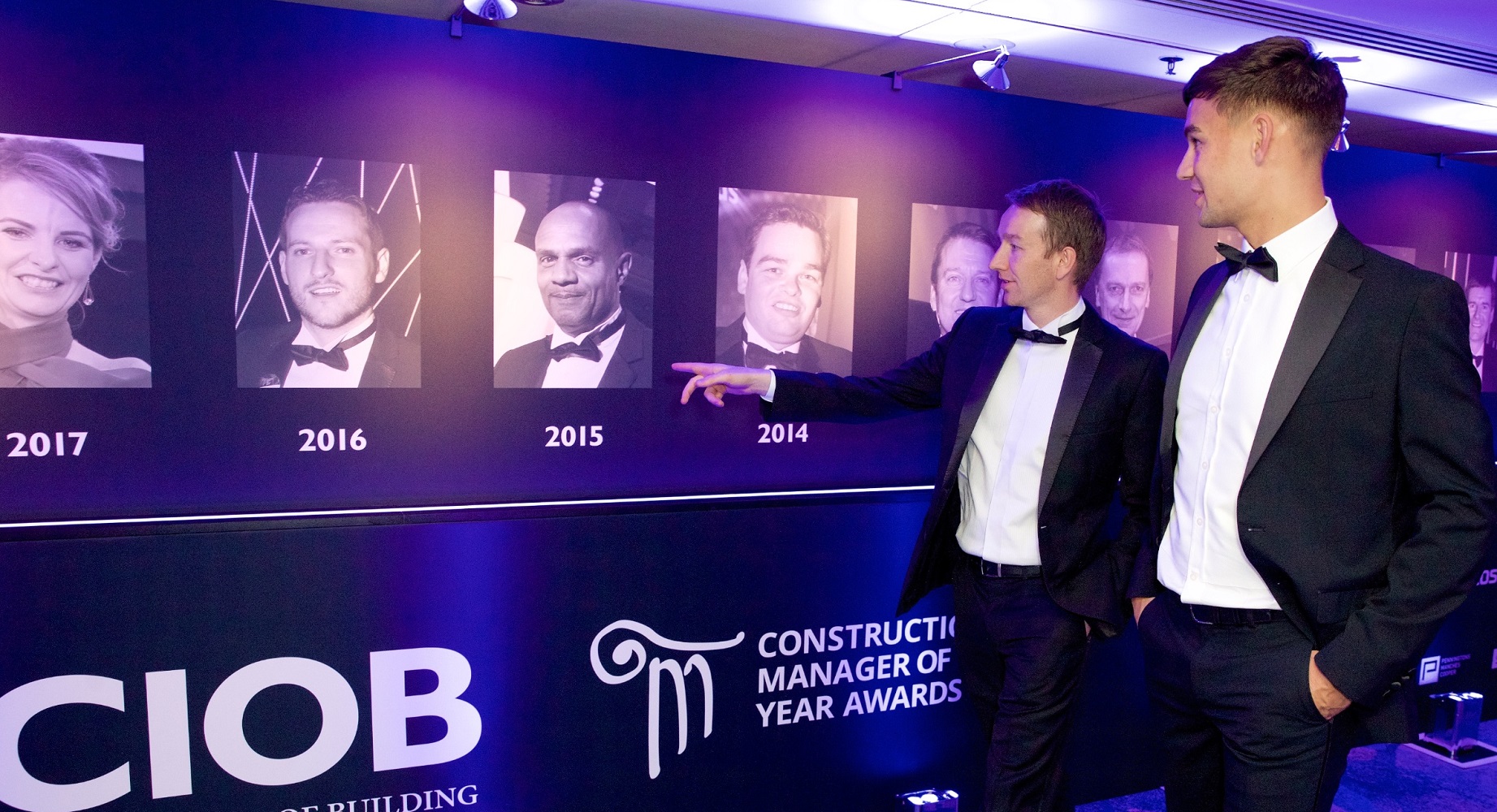
Construction Manager of the Year 2022
Joe O’Connell – St Sidwells Point

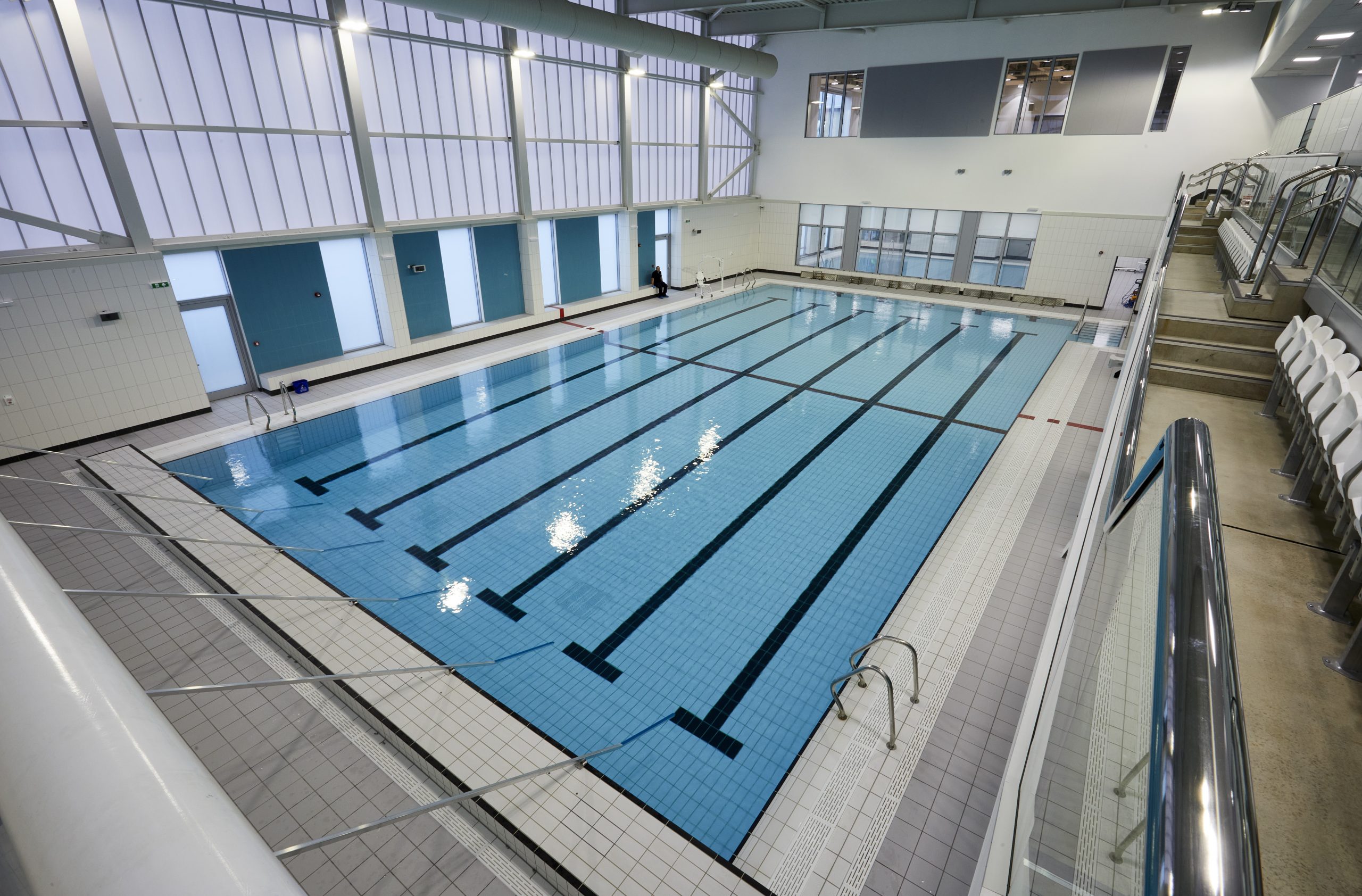
St Sidwells Point, Exeter
The energy super-efficiency of Passivhaus requires performance-unimpaired construction – in other words, flawless quality. Joe drove the supply chain partners up the learning and quality curve with measurable success. He briefed them on Passivhaus pre-tender, held installation workshops, and developed training modules for each trade explaining what Passivhaus meant for installation operatives and how the quality of all their work was crucial to certification.
His supplier engagement was remarkably successful. He had the airtightness membrane manufacturer employ an adhesive that could bind the facade’s 250mm-thick insulation ties to its membranes. That eliminated the 5,000 penetrations through the building’s airtightness line – every one a thermal bridge – that would otherwise have been required.
The Passivhaus air leakage standard is under 0.4m3/hr/m2, nearly twice as strict as the building regulation requirement. Joe didn’t just meet it, he smashed it, with 0.3m3/hr/m2.
A Night to Remember
Book Your Place Now
This highly regarded competition recognises the accomplishments of exceptional professionals who lead by example, shaping our built environment.
Recognising teamwork, clients, sustainability, rising stars, diversity and inclusion, and the UK’s finest construction managers, CIOB Awards showcases and celebrates the extraordinary talent within the construction industry!
Tuesday, 9 April 2024
Hilton London Metropole
Share Your Success
Communications Pack for Finalists
Reaching our finals is big news and a great opportunity for you to raise your own profile, celebrate your team’s success and shine a light on the business you work in. We have put together a communications toolkit that will help you promote your amazing achievement.
What you will find in our toolkit are ideas for posting in social media, specially designed graphics that you can use to support those posts, and even a template for telling your story to the media. Have a look and see what we have made for you.
Your Profile
To be sure we are representing you with accurate details, please can you complete the following short questionnaire. This is how your information will appear in all the production materials including the main show, programme and CIOB Awards website.
Please use only the fields that are applicable to your entry.
Meet Your Fellow Finalists
We have created a community space for our finalists where you can chat with fellow nominees and learn more about their work and projects.
You may need to create an account with the CIOB if you don’t have one already.
You can access the community space using the link below on a desktop computer or by downloading the CIOB app.
The best in construction
Proudly Sponsored By
Category Sponsor

Category Sponsor
Category Sponsor
Category Sponsor
Category Sponsor

Category Sponsor